
Knowledge Center
- Home
- Knowledge Center

Cotton is a natural fabric that has been widely used for centuries due to its numerous desirable qualities. It is known for its softness, breathability, and comfort, making it a popular choice for clothing, bedding, and home textiles. Cotton fabric has excellent moisture absorption properties, allowing it to wick away sweat and keep the wearer cool and dry. Its breathability also allows for good airflow, making it ideal for warm weather garments. Cotton is versatile and can be woven into various textures, from smooth and crisp to soft and fluffy, catering to different preferences and applications. Additionally, cotton is easy to care for, as it is machine washable and generally resistant to shrinking and wrinkling. These characteristics make cotton a go-to fabric for everyday wear, casual attire, and a wide range of household items. Cotton is not only a comfortable and versatile fabric, but it also offers sustainability advantages. As a natural fiber, cotton is biodegradable and has a lower environmental impact compared to synthetic alternatives. It is a renewable resource, with cotton plants producing fibers that can be harvested and replanted for future use. Furthermore, sustainable cotton farming practices, such as organic or Fairtrade cotton, promote reduced pesticide and chemical use, protecting both the environment and the farmers' well-being. Additionally, cotton byproducts, such as cottonseed oil and cottonseed meal, find various uses in food, animal feed, and industrial applications, reducing waste. The durability and longevity of cotton fabric also contribute to its sustainability, as it can withstand repeated wear and washing, reducing the need for frequent replacements. Overall, cotton's natural properties and sustainable practices associated with its production make it a preferred choice for eco-conscious consumers.
Cotton's versatility has led to its extensive use across a wide range of applications. In the fashion industry, cotton is utilized to create an array of clothing items, including t-shirts, shirts, dresses, skirts, trousers, and denim jeans. Its versatility allows it to be woven or knitted into various fabric weights and textures, catering to different garment styles and preferences.
Beyond clothing, cotton finds its way into numerous home textile products. Bedsheets, pillowcases, towels, bathrobes, curtains, upholstery fabrics, and quilts often feature cotton due to its comfort, breathability, and aesthetic appeal. Cotton's ability to take dyes and prints exceptionally well enables vibrant and long-lasting colors and patterns, adding beauty and style to interior decor.
Cotton is also extensively used in the production of medical and hygiene products. Bandages, gauze, surgical masks, and personal care items such as cotton pads and swabs rely on cotton's hypoallergenic and absorbent qualities. Its use in these applications emphasizes the importance of cotton in providing comfort, safety, and hygiene in various sectors.
The sustainability of cotton production has become an important consideration in recent years. While cotton is a natural fiber, its cultivation and processing can have environmental implications, particularly in terms of water usage and chemical inputs. However, the cotton industry has taken significant steps to address these concerns and promote sustainable practices.
One noteworthy development is the adoption of organic cotton farming. Organic cotton is grown without the use of synthetic fertilizers or pesticides, relying on natural farming methods that prioritize soil health, water conservation, and biodiversity. Organic farming practices also ensure a safer working environment for farmers and reduce the risk of chemical exposure.
Furthermore, initiatives such as the Better Cotton Initiative (BCI) and other sustainability standards have been established to promote responsible cotton production. These programs focus on reducing water consumption, pesticide usage, and promoting fair labor practices within the cotton supply chain. By encouraging more sustainable practices, the cotton industry strives to minimize its environmental impact and contribute to a more sustainable and ethical future.
Cotton's enduring popularity stems from its exceptional comfort, breathability, and versatility. From its ancient origins to its modern-day production and applications, cotton continues to be a fabric of choice for consumers and businesses worldwide. Its natural properties, such as breathability, moisture absorption, and softness, make it ideal for a wide range of garments and textile products. Additionally, cotton's sustainability initiatives and growing focus on responsible production underscore its commitment to minimizing environmental impact and promoting ethical practices. As we look to the future, cotton's timeless appeal and ongoing innovation in sustainable practices ensure that it will remain a beloved and essential fabric for generations to come.
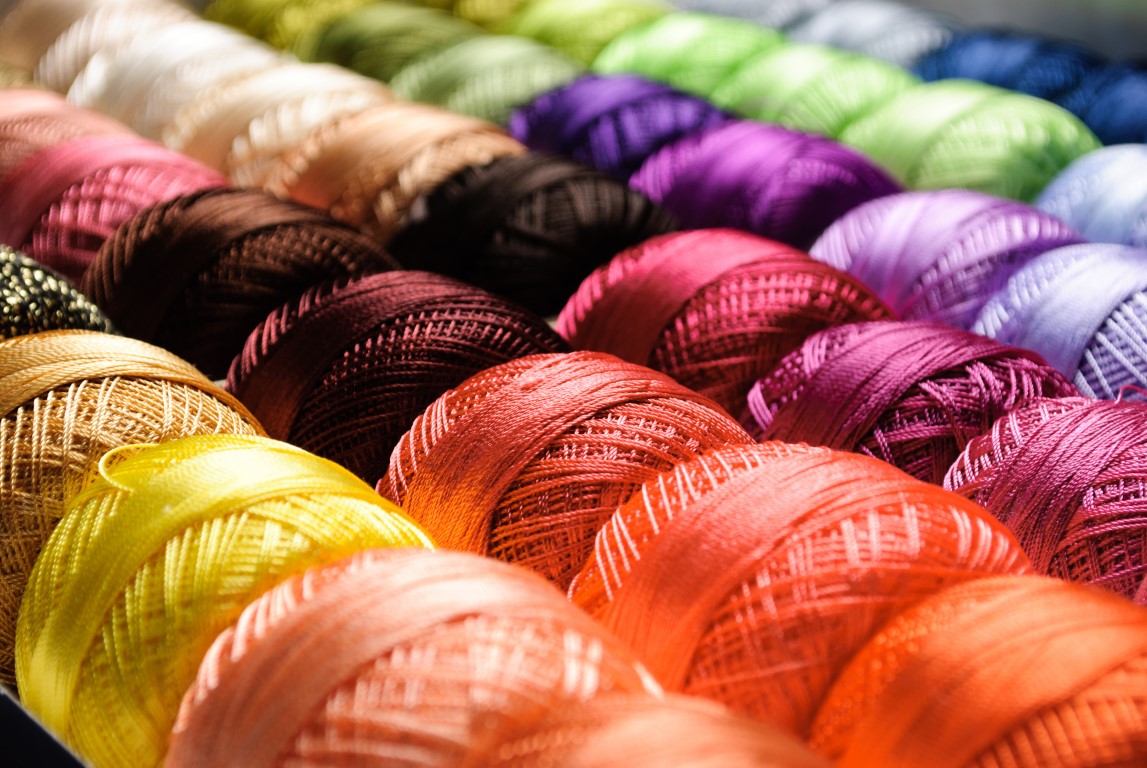
Silk: The Epitome of Luxury and Elegance
Silk, a fabric cherished for centuries, has captured the imagination and admiration of people around the world. From its origins in ancient China to its prominence in contemporary fashion, silk has remained a symbol of luxury, elegance, and refinement. This exquisite fabric, known for its lustrous sheen, smooth texture, and captivating drape, possesses a rich history, intricate production process, and a myriad of applications. In this comprehensive exploration of silk, we will delve into its origins, production methods, properties, uses, and the enduring allure that has made it an enduring favorite throughout the ages.
Origins and History:
Silk's fascinating story begins in ancient China, around 2700 BCE. According to legend, Empress Leizu discovered silk when a cocoon fell into her cup of tea, unraveling a delicate thread. Recognizing its potential, she encouraged the cultivation of silkworms and the development of silk production techniques. Initially, silk was a closely guarded secret, known only to the Chinese. However, with time, silk production and trade spread along the ancient Silk Road, linking China to the Western world and igniting a global fascination with this extraordinary fabric.
Production Process:
Silk production is an intricate and labor-intensive process that involves the cultivation of silkworms, the extraction of their silk fibers, and the weaving of these fibers into fabric. The journey begins with the hatching of silkworm eggs, which are carefully incubated and nurtured until they hatch into tiny larvae. These voracious creatures feed exclusively on mulberry leaves, consuming vast quantities to fuel their rapid growth.
As the silkworms feast on the mulberry leaves, they begin to spin cocoons around themselves using a continuous filament of silk, which can measure up to 900 meters in length. To obtain the silk, the cocoons are carefully harvested before the silkworms emerge as moths. The cocoons are then immersed in hot water or exposed to steam, a process known as "degumming," which softens the sericin, a natural gum that holds the silk fibers together. Once degummed, the silk fibers are carefully unraveled from the cocoons and spun into threads.
Silk threads, known as raw silk, undergo various treatments to enhance their quality and durability. They may be twisted together to create stronger threads or subjected to processes such as bleaching, dyeing, or printing to add color and patterns. These threads are then ready for the loom, where skilled weavers transform them into the breathtaking fabric we know as silk.
Properties and Characteristics:
Silk is renowned for its luxurious qualities and distinct characteristics. One of its most remarkable features is its natural luster, which gives silk a radiant sheen that reflects light in a captivating manner. This inherent luminosity, combined with its smooth and supple texture, creates a fabric that feels incredibly gentle and sensuous against the skin.
Silk possesses exceptional breathability, allowing air to circulate freely, which helps regulate body temperature and keeps the wearer cool in warm weather. Its moisture-wicking properties draw perspiration away from the body, contributing to a comfortable and dry sensation. Additionally, silk has excellent insulation properties, providing warmth during colder seasons.
The strength of silk fibers is impressive, considering their fine and delicate appearance. Silk is remarkably resilient, with the ability to stretch and recover without losing its shape or integrity. This durability ensures that silk garments maintain their elegance and longevity, even with frequent use.
Silk is also known for its hypoallergenic properties, making it an excellent choice for individuals with sensitive skin or allergies. It is less likely to cause irritation or provoke allergic reactions, providing a soothing and gentle fabric option.
Applications and
Uses:
Silk's versatility is reflected in its wide range of applications across various industries. In the realm of fashion, silk is synonymous with luxury and sophistication. It is highly sought after for creating elegant evening gowns, wedding dresses, tailored suits, and luxurious lingerie. The fabric's drape and fluidity allow designers to sculpt graceful silhouettes and achieve stunning artistic expressions.
Silk's versatility extends beyond fashion. It is used extensively in the production of home furnishings, such as curtains, drapes, upholstery, and bedding. Silk's natural luster and rich texture add a touch of opulence to interior spaces. It is also a popular choice for high-quality bed sheets, as it provides a comfortable and indulgent sleeping experience.
Furthermore, silk is prized for its use in traditional crafts, including embroidery, tapestry, and fine art restoration. Its smooth surface and ability to hold vibrant dyes make it an ideal canvas for intricate and detailed designs. Silk paintings, with their vibrant colors and delicate brushwork, have long been cherished as artistic masterpieces.
In recent years, silk has found applications in innovative fields such as medicine and technology. Silk fibers have been explored for their potential in biodegradable sutures, tissue engineering, and drug delivery systems due to their biocompatibility and mechanical properties. Additionally, the unique optical properties of silk have led to its integration into advanced optical devices and bio-sensors.
The Enduring Allure:
What sets silk apart from other fabrics is its timeless allure. Silk has the remarkable ability to seamlessly blend tradition with modernity, effortlessly adapting to changing fashion trends while retaining its classic elegance. The ethereal beauty of silk evokes a sense of luxury and indulgence, making it a coveted choice for those seeking sophistication and refinement.
Silk's enduring appeal lies not only in its aesthetic qualities but also in the intricate journey it undertakes from the silkworm cocoon to the loom. The craftsmanship and artistry involved in silk production, combined with its rich history and cultural significance, contribute to its mystique and desirability.
Moreover, silk represents more than just a luxurious fabric; it embodies a connection to nature, a celebration of heritage, and a dedication to sustainability. As an inherently renewable and biodegradable material, silk aligns with the growing demand for environmentally conscious choices in the fashion industry.
In conclusion, silk stands as a testament to the ingenuity and creativity of humankind. Its shimmering beauty, softness, and durability continue to captivate generations, transcending time and borders. Whether adorning the runway, enhancing the ambiance of a home, or adorning a cherished piece of art, silk remains an unrivaled symbol of luxury, elegance, and timeless style.
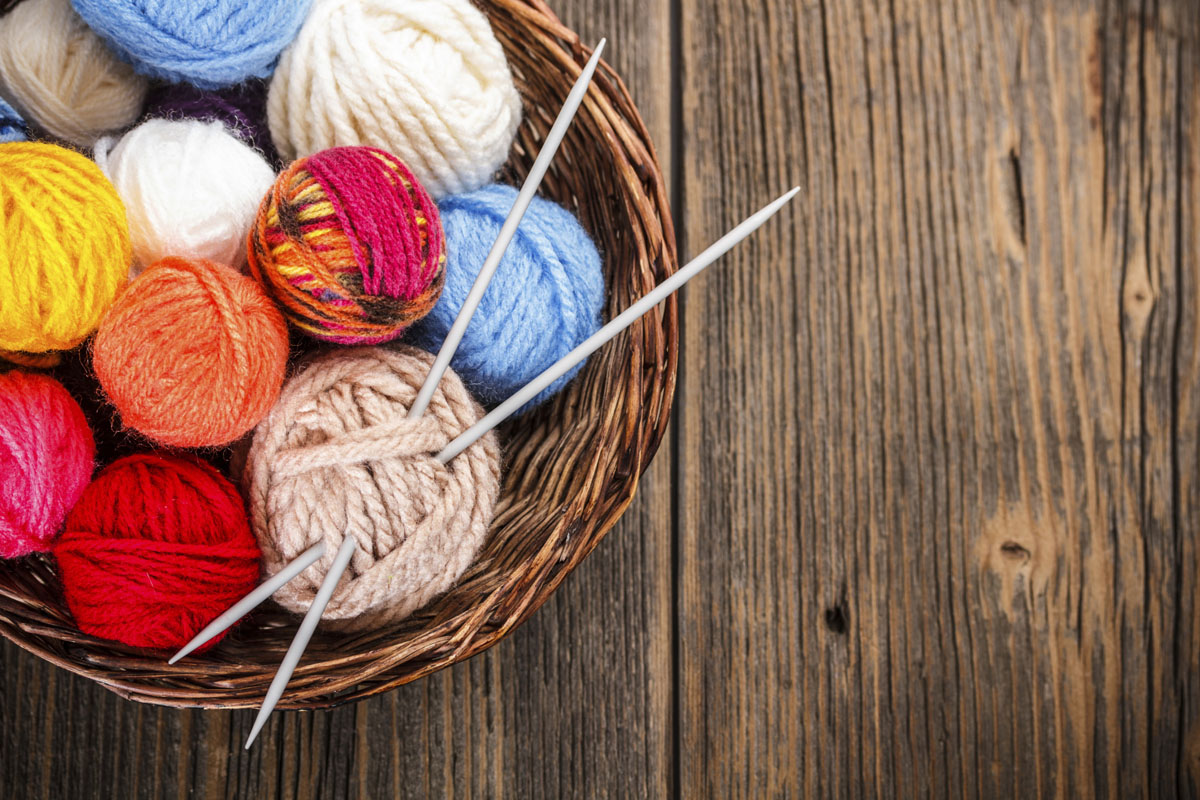
Wool: A Timeless Fiber of Warmth and Versatility
Wool, a natural fiber cherished for its warmth, softness, and durability, has been woven into the fabric of human history for thousands of years. From ancient civilizations to contemporary fashion, wool has remained a staple material renowned for its exceptional properties and diverse applications. In this comprehensive exploration of wool, we will delve into its origins, production methods, unique characteristics, uses, and the enduring appeal that has made it a beloved choice across cultures and generations.
Origins and History:
The story of wool begins with the domestication of sheep, an event that dates back to approximately 10,000 BCE. Early humans recognized the value of sheep for their meat, milk, and wool, leading to the development of pastoral societies. Sheep were selectively bred to produce dense, soft, and versatile fleeces, giving rise to various wool-bearing breeds across different regions.
The production of wool became a vital industry in ancient civilizations, such as Mesopotamia, Egypt, and the Indus Valley. These early cultures honed the art of shearing sheep, spinning wool into yarn, and weaving it into textiles. The warmth and durability of wool made it an essential fabric for clothing, protection from the elements, and trade.
During the Middle Ages, wool became a valuable commodity in Europe, with regions such as England specializing in its production. The wool trade played a significant role in the economy, contributing to the growth of towns and the establishment of guilds. The Industrial Revolution in the 18th century brought mechanization to the wool industry, revolutionizing the production process and expanding its availability.
Production Process:
The production of wool begins with the shearing of sheep, a process that carefully removes the fleece while ensuring the animal's welfare. Skilled shearers use electric clippers to efficiently and humanely remove the wool in a single piece. Once sheared, the raw wool undergoes a series of steps to transform it into the finished product.
The first step is called "scouring" or washing, where the wool is thoroughly cleaned to remove impurities such as dirt, sweat, and lanolin, a natural wax produced by sheep. Scouring can be done through traditional methods using water and biodegradable detergents or through more modern techniques that utilize specialized machinery.
After scouring, the wool is dried and then carded to align the fibers in the same direction. This process involves combing the fibers with carding brushes or passing them through mechanical carding machines. Carding removes any remaining impurities and creates a uniform, fluffy woolen batt or roving.
Next comes the spinning process, where the carded wool fibers are drawn out and twisted into yarn. This can be done by hand using a spinning wheel or through industrial spinning machines. The resulting yarn can vary in thickness, texture, and twist, depending on its intended use.
The final stage in wool production is weaving or knitting the yarn into fabric. Weaving involves interlacing the yarn on a loom, while knitting involves looping the yarn with needles or machines. Both processes create versatile textiles with unique structures, including woolen and worsted fabrics, each offering distinct characteristics.
Properties and Characteristics:
Wool possesses a wide range of properties that contribute to its enduring popularity. One of its most remarkable features is its natural insulating ability. The crimped structure of wool fibers creates air pockets, trapping warmth and providing excellent thermal regulation. This property allows wool to keep the body warm in cold conditions while remaining breathable to prevent overheating.
Wool is also highly resilient and elastic, meaning it can withstand stretching and compression without losing its shape or integrity. This durability makes wool garments resistant to wrinkles and creases, allowing them to maintain their appearance and drape well over time
. Wool fibers also have excellent tensile strength, making them resistant to tearing and breaking.
Another notable characteristic of wool is its moisture-wicking ability. Wool fibers can absorb up to 30{685362f86aac5886fc900001cf001cb8e7344ef59268c439b8d6e7406850e56a} of their weight in moisture without feeling wet, making wool garments comfortable to wear in various climates. Unlike synthetic materials, wool can absorb and release moisture without becoming clammy or retaining odors.
Furthermore, wool has natural flame-resistant properties. It has a higher ignition threshold compared to other fibers and does not melt or stick to the skin when exposed to heat or flames. This makes wool a safer choice in environments where fire safety is a concern.
Uses and Applications:
Wool's versatility lends itself to a wide range of applications across different industries. In the realm of fashion, wool is celebrated for its luxurious feel and exceptional warmth. It is commonly used in the production of sweaters, coats, scarves, hats, and socks, providing comfort and insulation during colder seasons. Wool's ability to regulate body temperature also makes it suitable for layering garments.
Wool's natural properties extend beyond clothing. Its durability and insulating qualities make it an ideal choice for home textiles, such as blankets, rugs, and upholstery. Wool rugs, with their dense fibers and natural resilience, add warmth and comfort to living spaces while providing a durable and long-lasting flooring solution.
In addition to fashion and home furnishings, wool finds applications in technical textiles and industrial sectors. It is used in the production of filters, insulation materials, soundproofing panels, and even in medical textiles for wound dressings and bandages. Wool's inherent breathability, moisture management, and insulation properties make it a versatile material in various specialized fields.
The Enduring Appeal:
What sets wool apart and contributes to its enduring appeal is its natural, sustainable, and biodegradable nature. As a renewable resource, wool is a responsible choice for those seeking environmentally friendly textiles. Sheep, the source of wool, contribute to carbon sequestration through their grazing habits, making wool a carbon-positive material.
Wool is also celebrated for its low environmental impact during production. With advancements in sustainable farming practices, such as responsible land management and reduced water usage, the wool industry continues to strive for greater sustainability and ethical production methods.
Furthermore, wool possesses a timeless quality that transcends fleeting fashion trends. It has a classic elegance and versatility that allows it to adapt to different styles and aesthetics. Whether in traditional or contemporary designs, wool garments and textiles exude a sense of sophistication, luxury, and comfort.
In conclusion, wool stands as a testament to nature's ingenuity and the enduring relationship between humans and sheep. Its exceptional warmth, durability, and diverse applications have made it an invaluable material throughout history. From ancient civilizations to modern times, wool continues to be cherished for its unique properties, sustainable attributes, and timeless appeal.
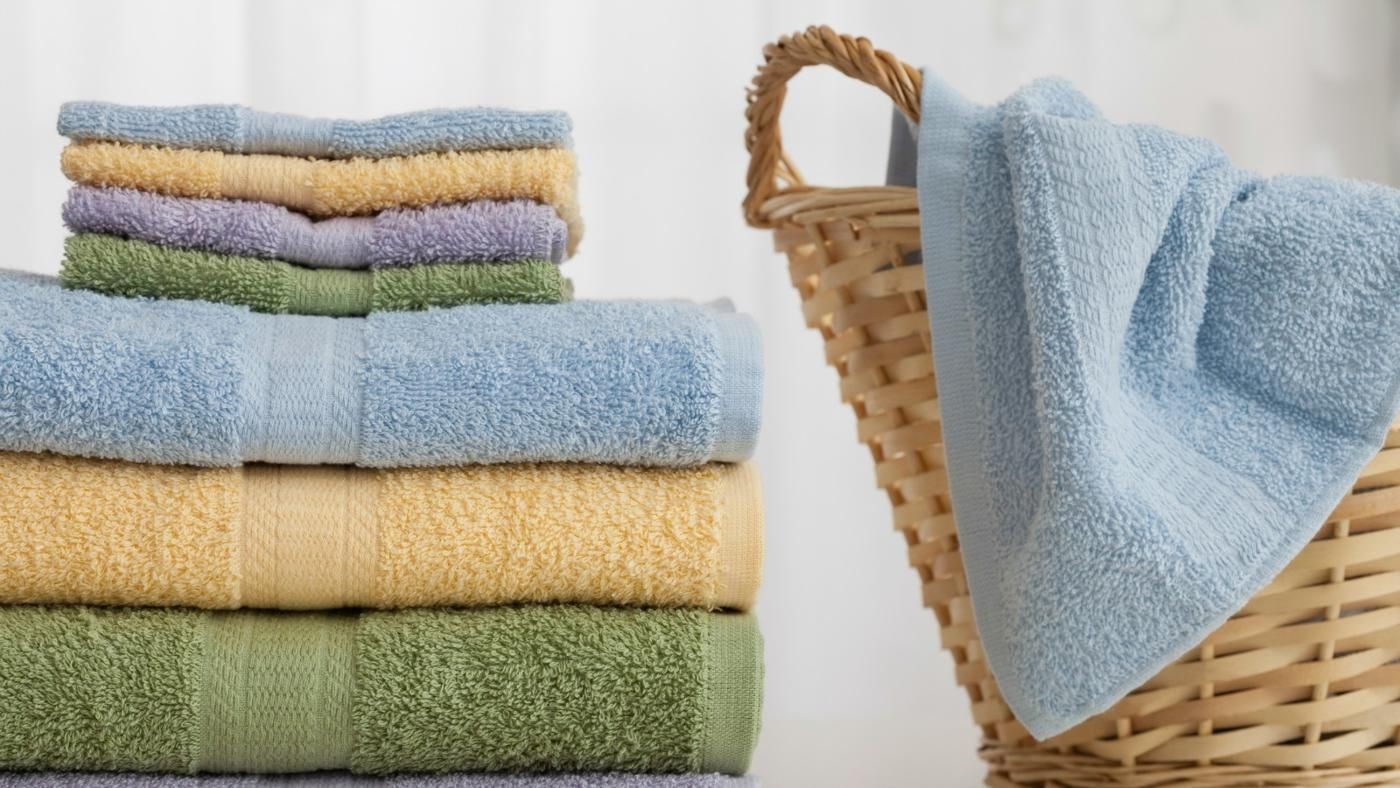
Linen: The Timeless Elegance of Natural Fiber
Linen, a versatile and durable fabric derived from the flax plant, has been cherished for centuries for its timeless elegance, exceptional breathability, and remarkable strength. From its origins in ancient civilizations to its prominence in contemporary fashion and home decor, linen continues to captivate with its distinctive texture, natural beauty, and eco-friendly qualities. In this comprehensive exploration of linen, we will delve into its history, production process, properties, uses, and the enduring appeal that has made it a beloved choice across cultures and generations.
History and Origins:
Linen's history can be traced back thousands of years, with evidence of its use dating as far back as ancient Egypt. The ancient Egyptians not only appreciated linen for its practicality but also revered it as a symbol of purity and wealth. Linen was widely used in ancient Egyptian society for clothing, household textiles, and even in burial rituals. The fabric's popularity spread across civilizations, with linen production and trade flourishing throughout the Mediterranean region, Europe, and beyond.
Production Process:
Linen production begins with the cultivation of the flax plant, known scientifically as Linum usitatissimum. Flax plants thrive in cool climates, and their delicate blue flowers give way to slender stalks that are harvested when the plants reach maturity. The harvested flax stalks undergo a series of processes to extract the long, fibrous strands used to create linen.
Retting is the first step in the production process, where the flax stalks are soaked in water or exposed to moisture to break down the pectin that binds the fibers. This can be achieved through dew retting, where the flax is spread in the fields to be naturally exposed to dew and rain, or through water retting, which involves submerging the flax in tanks or ponds.
After retting, the flax undergoes a process called scutching, where the woody outer bark is mechanically removed, leaving behind the flax fibers. The fibers are then further refined through a process called heckling, which involves combing the fibers to remove any remaining impurities and align them for spinning.
Once the flax fibers are prepared, they are spun into yarns, which can then be woven into linen fabric using various techniques such as plain weave, twill weave, or damask weave. Linen fabric is known for its characteristic texture, often displaying a slightly slubbed or uneven appearance, which adds to its organic and rustic charm.
Properties and Characteristics:
Linen possesses a unique set of properties that contribute to its enduring appeal. One of its most notable characteristics is its exceptional breathability. Linen fabric has excellent moisture-wicking properties, allowing air to circulate freely and keeping the body cool and dry in warm weather. This breathability makes linen a favored choice for summer clothing, bedding, and home textiles.
Linen is also renowned for its durability and strength. Despite its lightweight and airy feel, linen fibers are remarkably resilient, offering longevity and resistance to wear and tear. With proper care, linen garments and linens can maintain their quality for years, becoming softer and more comfortable with each use.
The natural texture of linen adds to its allure. Linen fabric often exhibits a slightly coarse yet luxurious feel, with subtle slubs and irregularities that contribute to its rustic charm and organic aesthetic. These variations in texture are embraced and celebrated as part of linen's inherent beauty, reflecting its natural origins.
Moreover, linen is a sustainable and eco-friendly choice. Flax plants require minimal water and pesticides to grow, making linen production more environmentally friendly compared to other textile fibers. Additionally, every part of the flax plant is utilized in the production process, minimizing waste and maximizing sustainability.
Applications and Uses:
Linen's versatility
is evident in its wide range of applications across various industries. In the realm of fashion, linen is favored for its comfortable and breathable qualities, making it ideal for summer clothing such as shirts, dresses, skirts, and trousers. Its natural texture and elegant drape add a touch of effortless sophistication to any ensemble.
In the realm of home decor, linen is highly sought after for its ability to create a relaxed and inviting ambiance. Linen curtains, drapes, and upholstery bring a sense of understated luxury to interiors, while linen bedding provides a comfortable and breathable sleep environment. Linen tablecloths, napkins, and placemats add a touch of elegance to dining settings, elevating everyday meals to special occasions.
Linen's enduring appeal extends to traditional crafts and artistic expressions as well. It is commonly used for embroidery, cross-stitching, and other forms of needlework, thanks to its smooth surface and ability to hold intricate designs. Linen canvas is also favored by artists for its texture and absorbency, lending itself well to painting and printmaking.
The Enduring Appeal:
Linen's timeless elegance and enduring appeal can be attributed to a combination of factors. Its natural beauty, from the delicate flax flowers to the rustic texture of the fabric, evokes a sense of authenticity and simplicity. Linen's ability to adapt to various styles and trends, effortlessly blending with both classic and contemporary aesthetics, makes it a versatile choice that transcends time and generations.
Furthermore, linen represents a connection to nature and a celebration of sustainable practices. As consumers increasingly prioritize eco-friendly choices, linen stands as a shining example of a renewable and biodegradable fabric. Its minimal environmental impact and longevity contribute to a more conscious and responsible approach to fashion and lifestyle choices.
In conclusion, linen's timeless elegance, exceptional breathability, durability, and sustainable nature have secured its place as a beloved fabric throughout history and across cultures. From ancient civilizations to modern-day fashion runways, linen's enduring popularity is a testament to its remarkable qualities and its ability to capture the essence of natural beauty and effortless style.
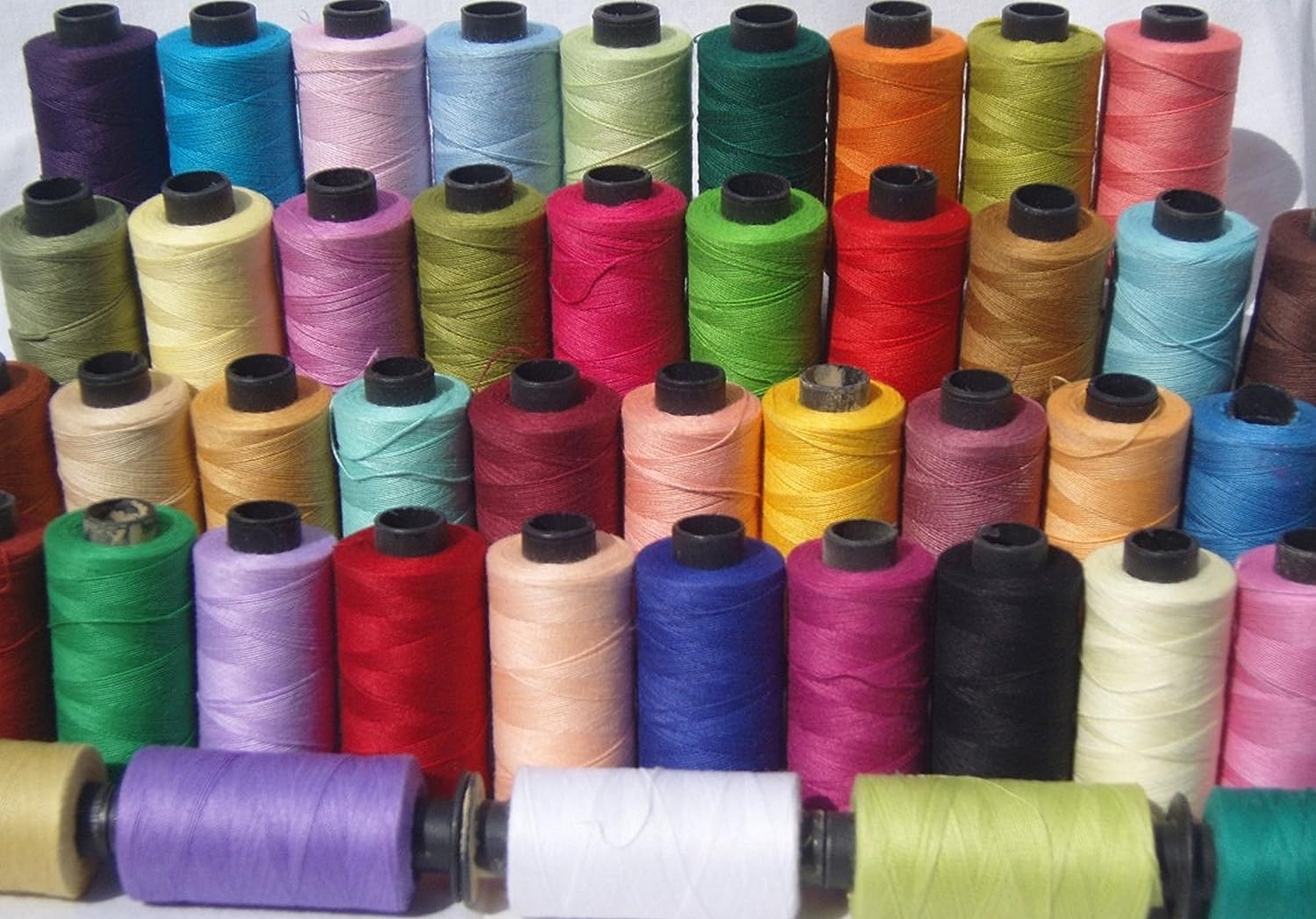
Polyester: The Versatile Synthetic Wonder
Polyester, a synthetic fiber that has revolutionized the textile industry, has become an integral part of our modern lives. Known for its durability, versatility, and affordability, polyester has emerged as one of the most widely used synthetic fibers worldwide. In this comprehensive exploration of polyester, we will delve into its origins, production process, properties, applications, and the impact it has had on various industries.
Origins and Evolution:
Polyester's story dates back to the early 20th century when a team of British scientists led by John Whinfield and James Dickson discovered and patented the polymer. However, it was not until the 1940s that polyester production on an industrial scale began. The development of polyester was driven by the need for a fabric that could rival natural fibers in strength and performance while being more cost-effective to produce.
Production Process:
Polyester is a polymer synthesized from petroleum-based chemicals, primarily ethylene glycol and terephthalic acid. These raw materials undergo a process called polymerization, where they are chemically reacted to form long chains of repeating units known as polymers. This resulting polymer, often referred to as polyethylene terephthalate (PET), is then melt-spun into fine fibers or transformed into various forms, such as films, sheets, or resins.
During the melt-spinning process, the polymer is heated until it becomes a molten liquid, which is then forced through tiny holes called spinnerets to form continuous filaments. The filaments are rapidly cooled, solidifying into long, thin strands. These strands can be further processed through drawing, a mechanical stretching process that aligns the molecules and enhances the fiber's strength.
Properties and Characteristics:
Polyester possesses a wide range of desirable properties that have contributed to its immense popularity. One of its primary advantages is its exceptional strength and durability. Polyester fibers are known for their high tensile strength, allowing them to withstand considerable wear and tear without losing shape or integrity. This resilience makes polyester garments and textiles long-lasting and resistant to shrinking, stretching, and wrinkling.
Polyester exhibits excellent dimensional stability, meaning it retains its shape and size even after repeated use and washing. Unlike some natural fibers that may lose their form over time, polyester fabrics maintain their original fit and appearance, providing a reliable and consistent garment experience.
The hydrophobic nature of polyester fibers imparts water resistance, making them resistant to moisture absorption and quick-drying. This property is particularly beneficial for outdoor and active wear, as polyester garments can effectively wick away perspiration, keeping the wearer dry and comfortable.
Furthermore, polyester is highly resistant to UV radiation, ensuring prolonged color fastness and resistance to fading. This characteristic makes polyester a suitable choice for outdoor furniture, awnings, and other applications exposed to sunlight.
Polyester's versatility extends to its ease of care. The fabric is machine washable, quick-drying, and requires minimal ironing, offering convenience and time savings for consumers.
Applications and Uses:
Polyester's versatility is evident in its vast array of applications across numerous industries. In the fashion world, polyester has gained popularity due to its versatility and ability to mimic natural fibers. It is commonly used in clothing, including shirts, dresses, pants, and outerwear. Polyester blends are also prevalent, as they can enhance the fabric's performance by combining different properties such as breathability, stretch, or moisture-wicking capabilities.
Polyester's durability and resistance to staining and fading make it a preferred choice for home textiles such as curtains, upholstery, bedding, and carpets. Its wide color range and ability to hold vibrant dyes allow for endless design possibilities, enabling homeowners to personalize their living spaces.
The versatility of polyester extends beyond fashion and home furnishings. The fabric is widely used in
the automotive industry for manufacturing seat covers, headliners, and carpets due to its durability, stain resistance, and ability to withstand prolonged exposure to sunlight.
Polyester's role in technical textiles cannot be overlooked. It finds application in areas such as geotextiles, medical textiles, filtration systems, and industrial fabrics. Polyester's strength, resistance to chemicals, and dimensional stability make it ideal for these specialized applications.
Environmental Considerations:
While polyester offers many advantages, it is essential to address its environmental impact. Being a synthetic fiber derived from non-renewable resources, the production of polyester requires energy-intensive processes and relies heavily on fossil fuels. Furthermore, polyester is not biodegradable and can persist in the environment for extended periods.
However, the textile industry has taken steps to mitigate the environmental impact of polyester. One notable development is the recycling of PET bottles to produce polyester fibers. By transforming post-consumer waste into usable fibers, this process reduces the demand for virgin polyester production and diverts plastic waste from landfills.
Moreover, advancements in manufacturing techniques and the use of eco-friendly dyes and chemicals have helped minimize the environmental footprint of polyester production.
In conclusion, polyester has transformed the textile landscape, offering a versatile, durable, and affordable alternative to natural fibers. Its wide range of applications across various industries showcases its adaptability and functional properties. As the industry continues to prioritize sustainability, efforts are underway to improve the environmental impact of polyester production and promote recycling initiatives. With ongoing innovation and responsible practices, polyester will likely continue to play a significant role in meeting the diverse demands of our modern world.
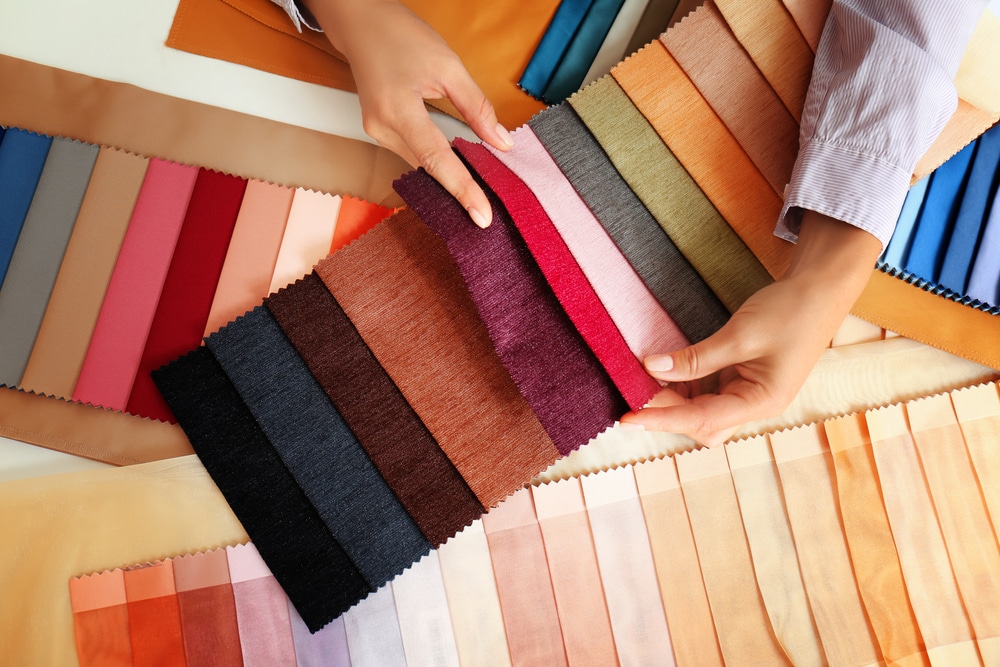
Nylon: The Versatile Synthetic Marvel
Nylon, a synthetic fabric that revolutionized the textile industry, has become an indispensable part of our daily lives. Its remarkable versatility, durability, and wide range of applications have made it one of the most popular and widely used materials in the world. From clothing and accessories to industrial and technological advancements, nylon has left an indelible mark on various sectors. In this comprehensive exploration of nylon, we will delve into its history, production process, properties, uses, and the significant impact it has had on numerous industries.
Origins and Development:
Nylon's story begins in the late 1920s when a team of chemists led by Wallace H. Carothers at DuPont Chemical Company embarked on a quest to create a synthetic fiber that could rival the properties of natural fibers such as silk. After years of research and experimentation, they successfully developed the first commercially viable synthetic fiber known as nylon in 1935.
The name "nylon" was derived from the combination of New York (NY) and London (LON), representing the two cities where significant research and development took place. The introduction of nylon to the market sparked a sensation, as it offered numerous advantages over traditional fabrics. Its production, however, was temporarily halted during World War II to focus on manufacturing materials for the war effort. After the war, nylon production resumed, and its popularity soared, forever changing the textile landscape.
Production Process:
The production of nylon involves a complex process known as polymerization. It starts with the creation of two main raw materials: adipic acid and hexamethylene diamine. These chemicals undergo a reaction called condensation polymerization, resulting in the formation of nylon polymer chains.
The polymer chains are then processed through a spinning process, where they are melted and extruded through spinnerets to form continuous filaments. These filaments are rapidly cooled, solidifying into long fibers. The fibers can be further processed through techniques such as drawing, stretching, or texturizing to enhance their strength, elasticity, or texture, depending on the desired application.
Properties and Characteristics:
Nylon boasts a range of remarkable properties that contribute to its widespread use and popularity. One of its primary advantages is its exceptional strength and durability. Nylon fibers are incredibly resilient and resistant to abrasion, making them ideal for applications that require toughness and longevity.
Additionally, nylon fibers possess excellent elasticity, allowing them to stretch and recover their original shape without losing their structural integrity. This property makes nylon garments and products resistant to wrinkles and deformation, ensuring they maintain their shape and appearance even with frequent use.
Nylon also offers outstanding resistance to chemicals, moisture, and mildew. It does not readily absorb water, making it quick-drying and suitable for outdoor and water-related activities. Its resistance to chemicals makes it suitable for industrial applications, such as automotive components, hoses, and conveyor belts.
Another notable characteristic of nylon is its versatility in terms of texture and appearance. It can be manufactured as a smooth, shiny fiber or as a textured yarn with various surface finishes, allowing for a range of aesthetic options.
Applications and Uses:
Nylon's versatility is evident in its extensive range of applications across numerous industries. In the textile and fashion industry, nylon is widely used in the production of clothing, hosiery, lingerie, swimwear, and sportswear. Its strength, durability, and elasticity make it a preferred choice for items that require flexibility, shape retention, and resistance to wear and tear.
Nylon's lightweight and moisture-wicking properties have also made it popular in the production of outdoor gear, such as jackets, tents, backpacks, and sleeping bags. Its ability to repel water and dry quickly adds to its suitability for outdoor activities.
In the realm of industrial applications, nylon's toughness and resistance to
chemicals have made it a valuable material for various components. It is used in the manufacturing of automotive parts, mechanical gears, bearings, and electrical connectors. Nylon's low friction properties also make it an excellent choice for bearings and gears, reducing wear and prolonging their lifespan.
Nylon has found its way into the realm of technology as well. It is used in the production of electrical insulators, wiring, and cable sheathing due to its excellent electrical properties. Additionally, its heat resistance and dimensional stability make it suitable for 3D printing applications, where it is used as a filament.
The Impact and Sustainability:
Nylon's impact on the textile industry cannot be overstated. Its introduction offered a synthetic alternative to natural fibers, providing increased durability, affordability, and performance. Nylon revolutionized the production of stockings, which were previously made from silk, making them more accessible to a wider audience.
However, it is essential to address the environmental considerations associated with nylon production and disposal. Nylon is a synthetic material derived from non-renewable resources, primarily crude oil. The production process also requires significant energy consumption and chemical inputs. As a result, the production of nylon contributes to carbon emissions and other environmental impacts.
To mitigate these concerns, efforts are being made to develop sustainable alternatives to traditional nylon. Recycled nylon, also known as "Econyl," is produced from post-consumer waste, such as discarded fishing nets and plastic bottles. This innovative approach helps reduce waste and lessen the reliance on virgin resources. Additionally, research is being conducted into bio-based or plant-derived nylon, which aims to use renewable resources as a basis for its production.
In conclusion, nylon has revolutionized the textile industry with its versatility, durability, and extensive range of applications. From clothing and accessories to industrial and technological advancements, nylon's impact is felt across various sectors. While environmental considerations remain, efforts are being made to develop more sustainable versions of this synthetic marvel. As technology and innovation continue to advance, nylon will likely evolve further, meeting the demands of an ever-changing world while striving for a more sustainable future.
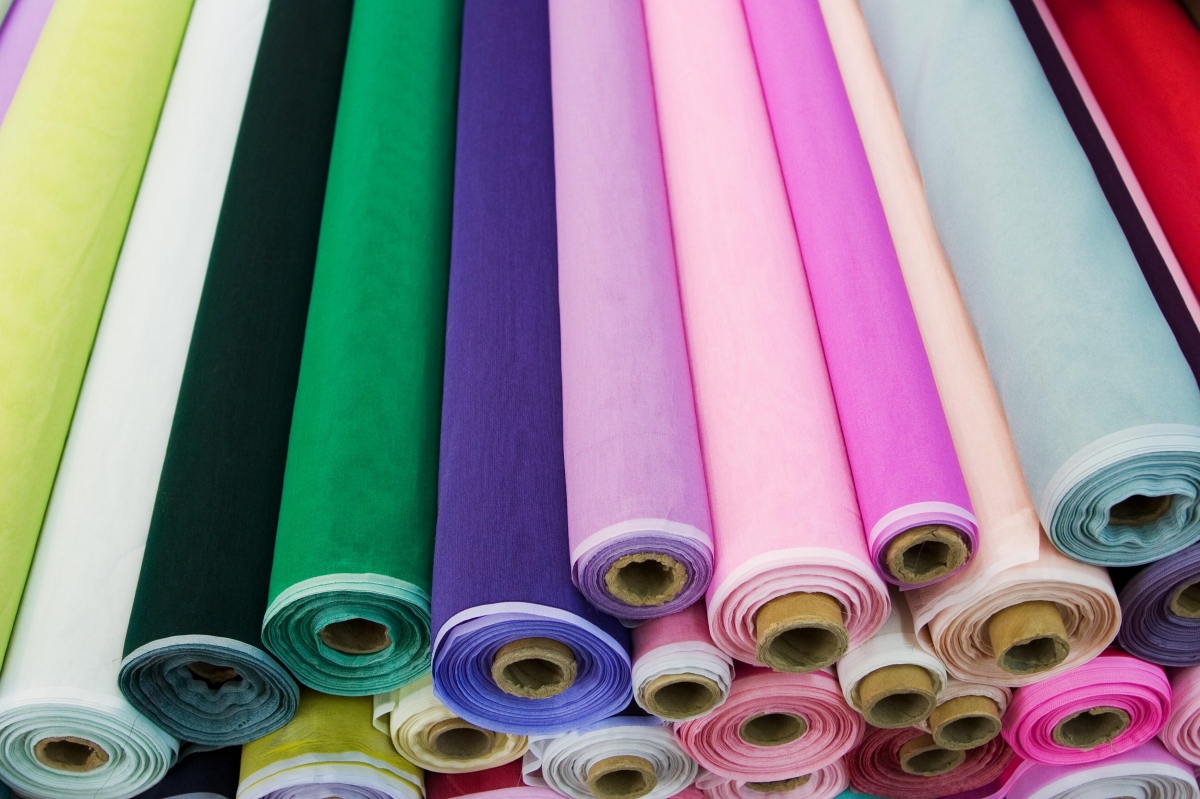
Rayon: The Versatile and Sustainable Synthetic Fabric
Rayon, a versatile and sustainable synthetic fabric, has made a significant impact in the world of textiles. With its softness, breathability, and wide range of applications, rayon has become a popular choice for clothing, home furnishings, and various other products. In this comprehensive exploration of rayon, we will delve into its history, production process, properties, sustainability factors, and the diverse applications that have contributed to its enduring popularity.
History and Production Process:
Rayon was developed as an alternative to silk in the late 19th century. Originally known as "artificial silk," rayon was the first man-made cellulose fiber. Its production process involves extracting cellulose from renewable sources such as wood pulp or bamboo, and transforming it into fibers through chemical processes.
The process begins with the harvesting of trees or bamboo, which are then processed to extract the cellulose. The extracted cellulose is treated with chemicals to form a viscous solution, which is then forced through spinnerets to create filaments. These filaments are solidified through various methods, such as air or chemical coagulation, resulting in continuous strands of rayon fibers. These fibers are then spun into yarns or woven directly into fabric.
Properties and Characteristics:
Rayon possesses several desirable properties that contribute to its popularity. One of its key characteristics is its soft and comfortable feel against the skin. It has a smooth texture, similar to natural fibers like cotton or silk, making it a popular choice for clothing items where comfort is paramount.
Rayon is highly absorbent and breathable, allowing air to circulate through the fabric and wick away moisture. This property makes it ideal for warm weather garments and activewear, as it helps to keep the wearer cool and dry.
The drape and versatility of rayon are notable features, as it can be easily tailored into various garment styles. It has a natural tendency to flow and hang gracefully, making it suitable for creating garments with fluid or draped silhouettes.
Rayon also accepts dyes well, resulting in vibrant and rich colors. It can be easily printed or dyed, allowing for a wide range of design possibilities. Additionally, rayon has good drapability, which enhances the visual appeal of the fabric when used in home furnishings such as curtains, upholstery, or bedding.
Sustainability Factors:
While rayon is a synthetic fabric, it is considered a more sustainable choice compared to certain other synthetic materials. One aspect that contributes to rayon's sustainability is its raw material sourcing. Rayon can be made from renewable sources such as trees or bamboo, which are fast-growing and can be replenished.
Furthermore, the production process of rayon typically involves the use of solvents and chemicals. However, efforts have been made to develop more environmentally friendly production methods, such as closed-loop systems. Closed-loop systems recycle and reuse the chemicals, minimizing their impact on the environment and reducing waste.
However, it is important to note that not all rayon production processes are equal in terms of sustainability. Some rayon variants, such as viscose, have been associated with concerns regarding the sourcing of wood pulp and the potential pollution caused by chemical treatments. It is crucial for manufacturers to adopt responsible and sustainable practices throughout the entire production chain to minimize the environmental impact of rayon.
Applications and Uses:
Rayon's versatility has resulted in its widespread use across various industries. In the realm of fashion, rayon is a popular choice for both casual and formal clothing. It is used in the creation of dresses, blouses, skirts, shirts, and more. Rayon's lightweight and breathable nature make it particularly suitable for warm-weather clothing, where comfort and style are desired.
Additionally, rayon is utilized in the production of home furnishings such as
curtains, drapes, bedding, and upholstery. Its softness, vibrant colors, and drape make it an attractive option for enhancing the visual appeal of living spaces.
In the field of textiles, rayon is also used in the creation of accessories such as scarves, shawls, and ties. Its ability to mimic the appearance and feel of natural fibers like silk has made it a cost-effective alternative in these applications.
Beyond fashion and textiles, rayon has found utility in various other industries. It is used in the manufacturing of medical products, such as wound dressings and surgical products, due to its absorbency and sterile properties. Rayon's versatility has also led to its inclusion in products like non-woven fabrics, filters, industrial textiles, and even high-tech applications such as tire cords and LCD screens.
In conclusion, rayon's versatility, softness, and sustainability factors have cemented its place in the textile industry. Its ability to mimic the properties of natural fibers, combined with its wide range of applications, has contributed to its enduring popularity. As the demand for sustainable and eco-friendly materials continues to grow, responsible production practices and advancements in rayon manufacturing will further enhance its sustainability and ensure its relevance in the future of textiles.
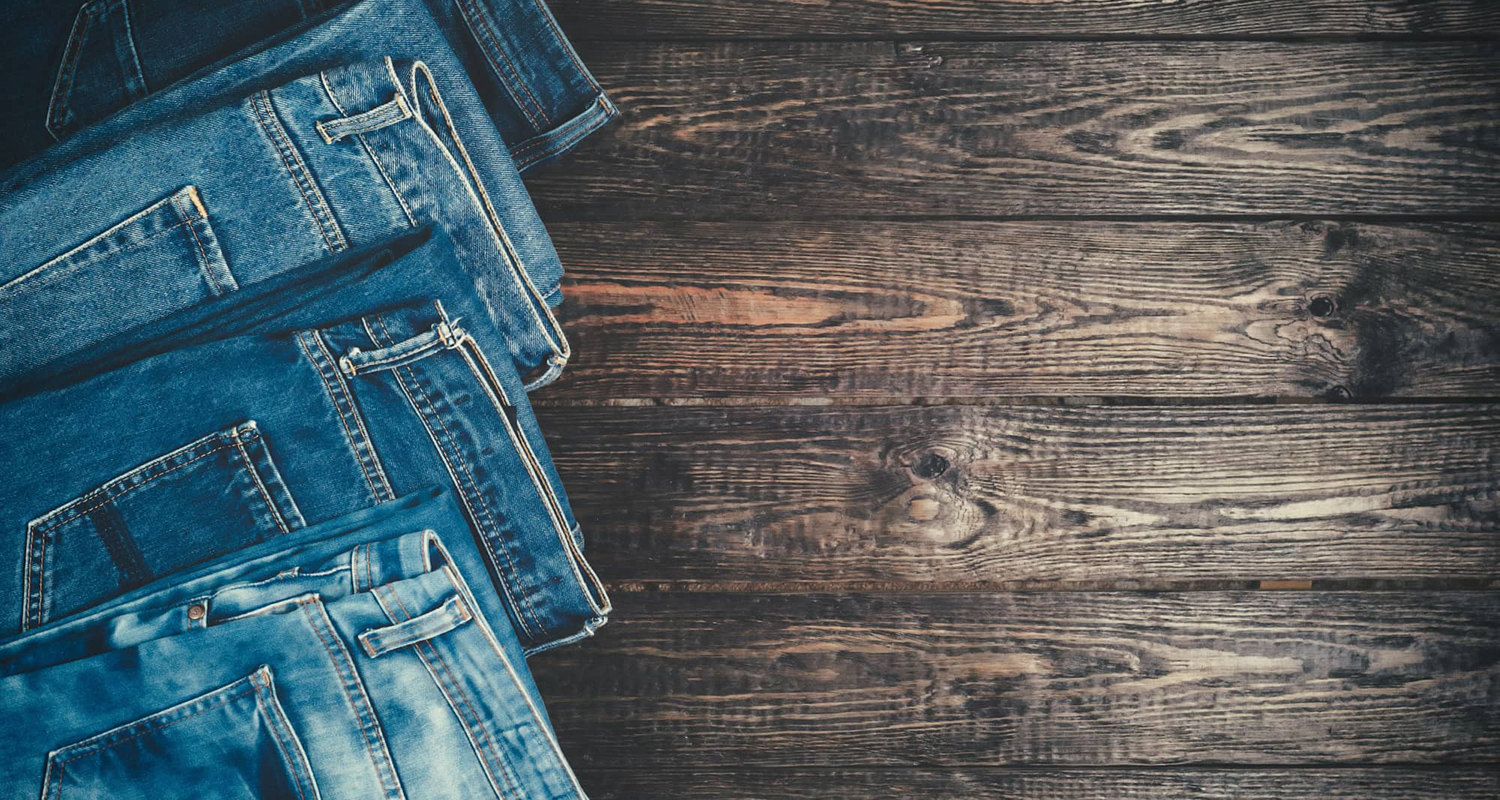
Denim: The Iconic Fabric of Style and Durability
Denim, the rugged and versatile fabric that has become a global fashion staple, holds a special place in the hearts of millions. With its distinctive texture, durability, and timeless appeal, denim has transcended generations, cultural boundaries, and fashion trends. From its humble origins as workwear fabric to its status as a symbol of rebellion and style, denim has evolved into an iconic fabric that continues to shape the world of fashion. In this comprehensive exploration of denim, we will delve into its history, production methods, characteristics, and enduring influence on the world of fashion.
History and Origins:
Denim's story begins in the 19th century in the city of Nîmes, France, where a sturdy fabric called "serge de Nîmes" was produced. It was renowned for its strength and durability, making it ideal for workwear. The fabric's name later evolved into "denim," reflecting its association with the city.
Denim gained widespread popularity during the California Gold Rush in the mid-1800s, as durable pants made from this fabric became the preferred choice of gold miners. The famous Levi Strauss, an immigrant from Germany, recognized the fabric's potential and began manufacturing denim pants reinforced with copper rivets for added strength. This marked the birth of blue jeans as we know them today.
Characteristics and Production Process:
Denim is a cotton twill fabric known for its diagonal weave, typically featuring blue warp threads and white weft threads. The twill weave gives denim its signature diagonal ribbing, which enhances its durability and robustness. Over time, denim has also been produced in various colors, washes, and finishes, expanding its versatility and aesthetic possibilities.
The production of denim involves several stages. It starts with the selection and harvesting of cotton, followed by ginning to remove impurities and separate the cotton fibers. The cotton fibers are then spun into yarns, which are later dyed using indigo dye to achieve the classic blue color associated with denim.
Once the yarn is dyed, it undergoes the weaving process to create the denim fabric. Traditional shuttle looms were initially used, but modern denim production utilizes advanced weaving techniques such as projectile and rapier looms. These weaving methods ensure a consistent and high-quality fabric.
After weaving, the denim fabric undergoes various treatments to achieve desired characteristics and finishes. This includes processes such as sanforization (pre-shrinking), mercerization (to enhance luster and strength), and different washing techniques, such as stone washing, sanding, or distressing, to create unique textures and worn-in appearances.
Characteristics and Durability:
Denim's appeal lies not only in its rugged appearance but also in its exceptional durability. The twill weave structure and the use of robust cotton fibers make denim resistant to tearing and abrasion, ensuring that denim garments withstand the test of time. Denim's strength and durability have contributed to its association with the working class and its symbolic role in rebellious subcultures.
Denim is also known for its ability to age beautifully. With wear and washes, denim develops a unique patina, characterized by faded areas, whiskering, and creases, which add character and personalization to each garment. This natural aging process is highly valued by denim enthusiasts, as it tells a story and creates a distinctive look.
Versatility and Fashion Influence:
Denim's enduring popularity can be attributed to its remarkable versatility. It effortlessly transitions between casual and formal settings, making it a wardrobe staple for people from all walks of life. From denim jeans and jackets to skirts, shorts, and shirts, denim offers a wide range of options for self-expression and personal style.
Over the decades, denim has influenced and shaped the fashion industry.
It has been embraced by numerous subcultures, including cowboys, rockers, and rebels, who have elevated denim to a symbol of nonconformity and individuality. Denim's association with counterculture movements in the 1950s and 1960s, such as the rise of rock 'n' roll and youth rebellion, cemented its status as an iconic fabric of rebellion and self-expression.
Furthermore, denim has transcended gender and age barriers, appealing to people of all ages and genders. It has become a canvas for fashion designers, who continuously experiment with new cuts, washes, and embellishments to push the boundaries of denim's versatility and style.
Sustainability and Future of Denim:
As the fashion industry grapples with sustainability concerns, denim has also undergone significant transformations. Manufacturers have embraced eco-friendly production methods, such as organic cotton cultivation, waterless dyeing techniques, and recycling initiatives, to reduce the environmental impact of denim production. Additionally, the rise of vintage and second-hand denim has contributed to a more sustainable approach to fashion consumption.
The future of denim looks promising as technology and innovation continue to shape its evolution. Developments in fabric technology have led to the introduction of stretch denim, providing enhanced comfort and flexibility. The integration of smart textiles and sustainable materials into denim is also being explored, opening up new possibilities for functionality and eco-conscious fashion.
In conclusion, denim's journey from workwear fabric to global fashion icon is a testament to its enduring appeal and adaptability. With its distinct characteristics, durability, and versatility, denim has become a symbol of style, rebellion, and self-expression. As fashion continues to evolve, denim remains a timeless fabric that captures the essence of individuality and embodies the spirit of authenticity.
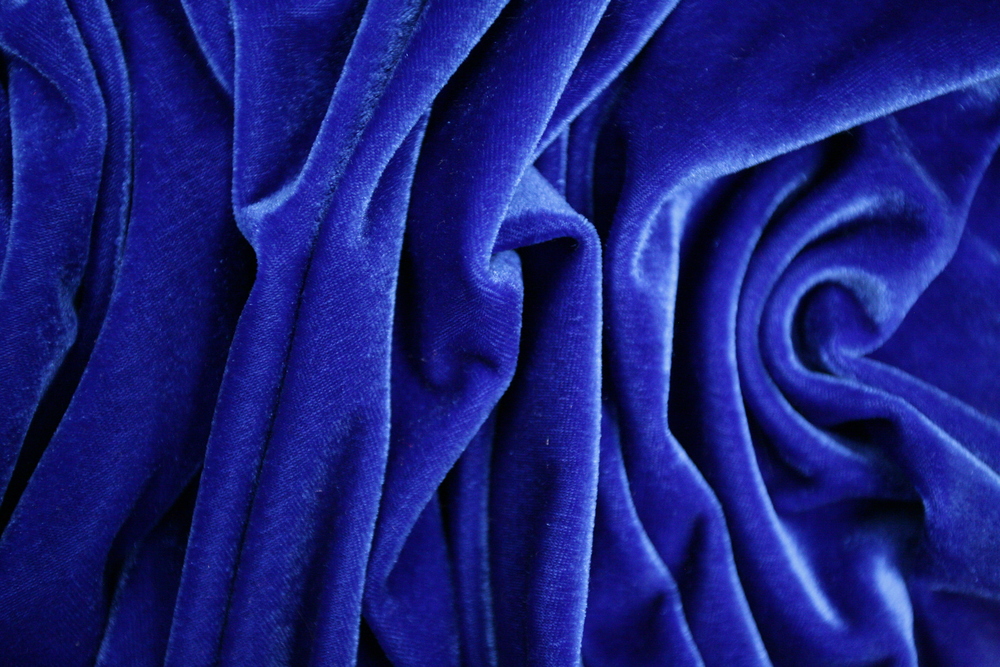
Velvet: The Sumptuous Fabric of Opulence and Glamour
Velvet, a fabric of unparalleled luxury and sophistication, has been adored and coveted for centuries. Renowned for its softness, rich texture, and lustrous appearance, velvet embodies opulence and glamour like no other fabric. From its historical origins to its contemporary applications, velvet continues to captivate and inspire with its timeless allure. In this comprehensive exploration of velvet, we will delve into its history, production methods, properties, uses, and the enduring fascination that has made it an iconic symbol of elegance and extravagance.
Historical Origins:
The origins of velvet can be traced back to ancient Egypt, where it was initially crafted from silk and reserved exclusively for royalty and nobility. Velvet production flourished during the Byzantine and Islamic empires, and it gained widespread popularity throughout Europe during the Renaissance. During this period, velvet was intricately woven with silk or fine wool, adorned with intricate patterns and vibrant colors, and adorned the garments of the elite. The demand for velvet grew steadily, and it became synonymous with luxury and status.
Production Process:
The production of velvet involves a unique weaving technique that creates its distinctive pile or nap, giving the fabric its soft and plush feel. Traditionally, velvet was made from silk, which provided the finest and most luxurious variation of the fabric. However, velvet can also be made from other fibers such as cotton, rayon, or synthetic materials like polyester.
The weaving process begins by creating two sets of interlaced warp and weft threads. The additional step that sets velvet apart is the creation of an extra set of warp threads, known as the pile warp. These pile warps are then woven into the fabric at regular intervals, creating loops. Subsequently, the loops are cut, resulting in the plush pile that characterizes velvet. The weaving process requires great precision and skill to ensure a consistent and even pile across the fabric.
Properties and Characteristics:
Velvet's appeal lies in its unique properties and characteristics that make it a fabric of choice for luxurious and elegant applications. One of the defining features of velvet is its exceptionally soft and smooth texture. The short, dense pile creates a tactile experience that is both sumptuous and inviting to the touch.
The lustrous appearance of velvet adds to its allure. The fabric has a natural sheen that reflects light, creating a play of depth and richness that exudes glamour. This inherent shine enhances the colors of velvet, allowing for vibrant and captivating hues.
Velvet is known for its excellent draping properties. It gracefully flows and conforms to the body, creating elegant silhouettes and enhancing the wearer's figure. Its ability to drape adds to its versatility and makes it a favored choice for formal wear, evening gowns, and decorative textiles.
Furthermore, velvet offers insulation, making it suitable for both cold and warm climates. It provides warmth in cooler weather while remaining breathable and comfortable in milder temperatures. This versatility allows velvet to be embraced in various seasons and geographic regions.
Applications and Uses:
Velvet's versatility and luxurious appeal make it a fabric of choice for a wide range of applications. In the world of fashion, velvet is synonymous with elegance and glamour. It is often used in the creation of evening gowns, cocktail dresses, suits, jackets, and accessories. The plush texture and rich colors of velvet elevate any ensemble, exuding a sense of sophistication and decadence.
Home decor and upholstery also embrace the allure of velvet. Velvet upholstery brings a touch of luxury and comfort to sofas, chairs, and cushions. Curtains and draperies made from velvet add an air of opulence to interior spaces, transforming them into elegant havens. Velvet is also favored for decorative accents, such as throw pillows, bedding, and even wallpaper
.
Beyond fashion and interiors, velvet is utilized in the realm of art and craftsmanship. It finds its way into exquisite tapestries, elegant embroidery, and ornate trimmings. The fabric's rich texture provides a captivating canvas for intricate designs, creating visual depth and a sense of artistry.
The Enduring Fascination:
Velvet's enduring fascination can be attributed to its timeless elegance, luxurious feel, and association with status and prestige. The fabric's historical significance, craftsmanship, and enduring popularity have made it an iconic symbol of opulence and refinement.
Velvet transcends fashion trends, effortlessly blending traditional and contemporary styles. Its versatility allows it to adapt to different design aesthetics, whether classic, romantic, or avant-garde. Velvet possesses the ability to evoke nostalgia, harking back to grand eras of glamour and sophistication, while also embracing modern interpretations of luxury.
Moreover, velvet's allure is not limited to its visual and tactile qualities. It possesses a mystique and allure that captivates the imagination. The fabric carries with it a sense of exclusivity and indulgence, embodying the desire for a life steeped in beauty and refinement.
In conclusion, velvet stands as a testament to the enduring allure of luxury and the craftmanship of artisans. Its softness, richness, and timeless elegance continue to captivate and inspire generation after generation. Whether gracing the runways, adorning homes, or serving as a medium for artistic expression, velvet reigns as a fabric of unparalleled opulence and glamour, leaving an indelible impression of sumptuousness and refined taste.
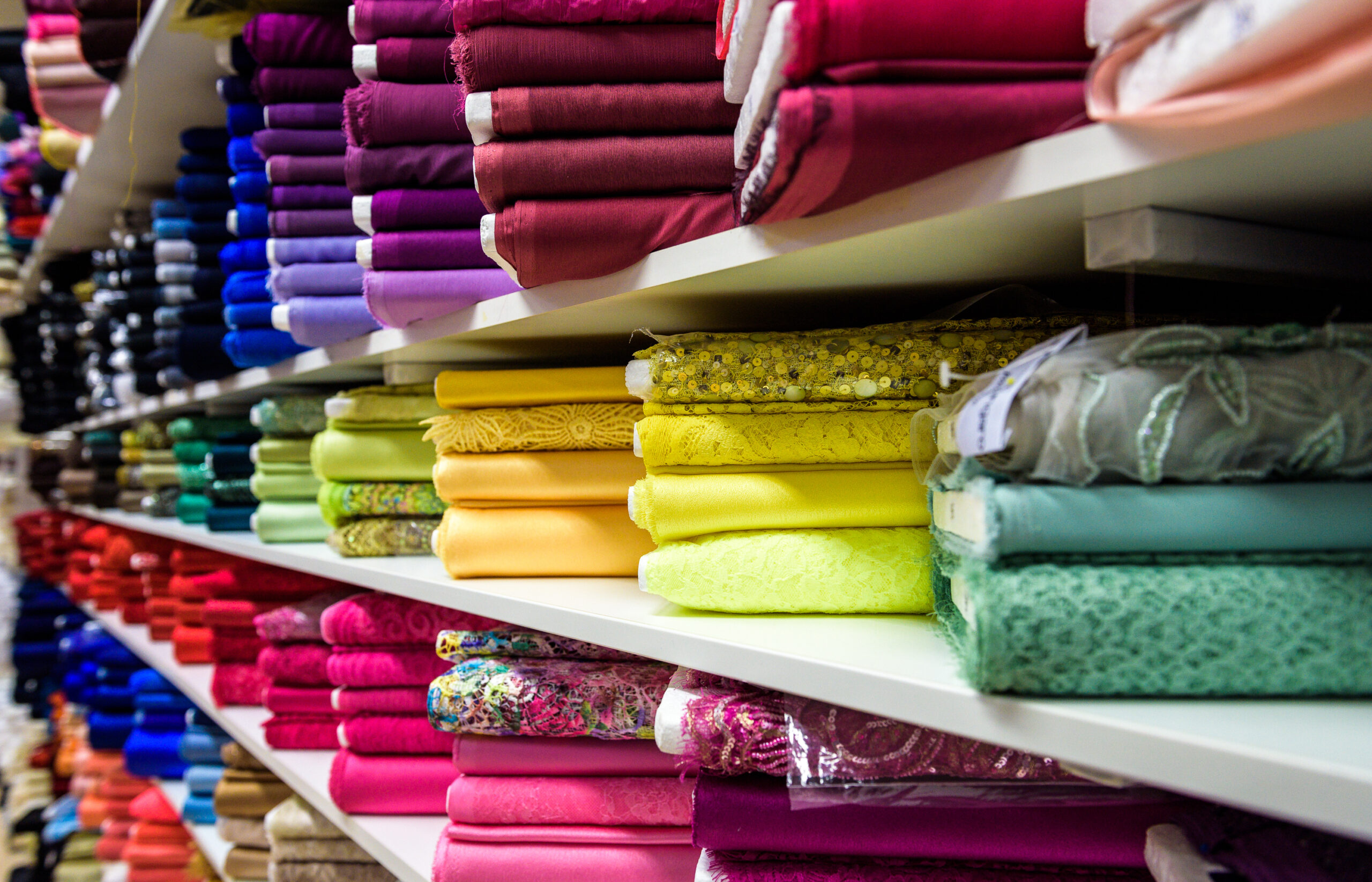
The Allure of Satin: A Fabric of Elegance and Opulence
Satin, with its lustrous sheen, smooth texture, and luxurious drape, is a fabric that has captivated people for centuries. Renowned for its elegant appearance and sensual feel, satin exudes a sense of opulence and sophistication. From its origins in ancient China to its popularity in contemporary fashion, satin has been cherished as a fabric of choice for those seeking refined and glamorous attire. In this comprehensive exploration of satin, we will delve into its history, production methods, properties, uses, and the enduring allure that has made it a staple in the world of fashion.
Origins and History:
The history of satin can be traced back to ancient China, where it was first woven using silk threads. The art of satin weaving spread across the Silk Road, reaching Europe during the Middle Ages. Initially, satin was exclusively crafted from silk, which contributed to its luxurious reputation. However, with advancements in textile manufacturing, satin began to be produced using other fibers such as polyester, rayon, and acetate, offering more affordable options while retaining the fabric's distinctive qualities.
Production Process:
Satin is characterized by its unique weaving technique, known as satin weave. In this weave, the warp threads are floated over several weft threads, resulting in a smooth and glossy surface with a high thread count. Traditionally, satin was woven using silk fibers, which contributed to its luminous sheen. However, modern satin can be made using various synthetic or natural fibers, each offering its own unique properties.
Silk satin is created using fine silk threads, which are meticulously woven in a satin weave pattern. This delicate process requires skilled craftsmanship and attention to detail. The resulting fabric showcases the exquisite luster, softness, and drape that silk satin is known for.
Satin made from synthetic fibers such as polyester or rayon is created through a similar weaving technique. These fibers are often chosen for their affordability, durability, and ease of care. While they may not possess the exact luxurious qualities of silk satin, synthetic satin can still offer a beautiful sheen, smooth texture, and excellent draping capabilities.
Properties and Characteristics:
Satin's unique weave gives it several distinctive properties and characteristics that contribute to its popularity. One of its most notable features is its captivating luster. Satin fabric has a glossy surface that reflects light, creating a visually stunning effect. This inherent sheen adds an element of elegance and glamour to any garment or textile.
In addition to its luster, satin is prized for its smooth and luxurious texture. The fabric feels incredibly soft and silky against the skin, providing a sensuous and indulgent sensation. Satin's smoothness allows it to effortlessly glide over the body, creating a flattering and graceful drape.
Satin possesses a lightweight and airy nature, making it ideal for creating flowing and fluid garments. It has a natural ability to fall gracefully, enhancing the silhouette and adding a touch of sophistication to any design. Satin's draping capabilities contribute to its versatility, as it can be used to craft both form-fitting and loose-fitting garments.
Satin is also known for its excellent color retention. The fabric readily absorbs and reflects dyes, resulting in vibrant and rich hues. This makes satin an ideal choice for creating garments in a wide range of vibrant and eye-catching colors.
Applications and Uses:
Satin's beauty and versatility have secured its place in various industries, particularly in fashion and interior design. In the world of fashion, satin is synonymous with elegance, making it a preferred fabric for creating luxurious evening gowns, cocktail dresses, and bridal attire. Its exquisite drape and softness add a touch of sophistication and glamour to any garment.
Satin is also extensively used in the production
of lingerie, pajamas, and robes, where its sensuous feel against the skin enhances the wearer's comfort and confidence. The fabric's smooth texture and lustrous appearance make it an ideal choice for intimate apparel that exudes both elegance and allure.
Beyond fashion, satin finds applications in interior design and home furnishings. It is often used to create lavish drapes, curtains, and upholstery, adding a touch of opulence and refinement to living spaces. Satin pillows, bedding, and decorative accessories provide a luxurious and indulgent ambiance to bedrooms and lounges.
Satin's versatility extends to the world of accessories and embellishments. The fabric is commonly used to craft neckties, bowties, scarves, and handbags, lending a sophisticated touch to any ensemble. Satin ribbons and trims are also popular for adding a luxurious finish to garments, gift wrapping, and crafting projects.
The Enduring Allure:
Satin's enduring allure lies in its ability to effortlessly elevate any design, creating a sense of refinement and luxury. The fabric's inherent elegance and sensuality make it a timeless choice for those seeking sophistication and glamour. Whether it graces the red carpet, adorns a bride on her special day, or enhances the ambiance of a luxurious interior space, satin exudes an unmistakable aura of opulence.
Furthermore, satin's availability in various fibers, including silk and synthetics, ensures that it caters to a wide range of preferences and budgets. While silk satin remains the epitome of luxury, synthetic satin offers an accessible and affordable alternative that still exudes elegance and style.
In conclusion, satin stands as a testament to the enduring allure of luxurious fabrics. With its luminous sheen, smooth texture, and luxurious drape, satin has established itself as a timeless symbol of elegance and opulence. Its versatility across fashion, interior design, and accessory industries continues to captivate designers and consumers alike. Whether it's the luminous grace of silk satin or the affordable luxury of synthetic satin, this fabric remains an enduring choice for those seeking refinement, beauty, and an indulgent sensory experience.